Pasta Carbonara with Spring Peas
Highlighted under: Comfort Dinner Recipes
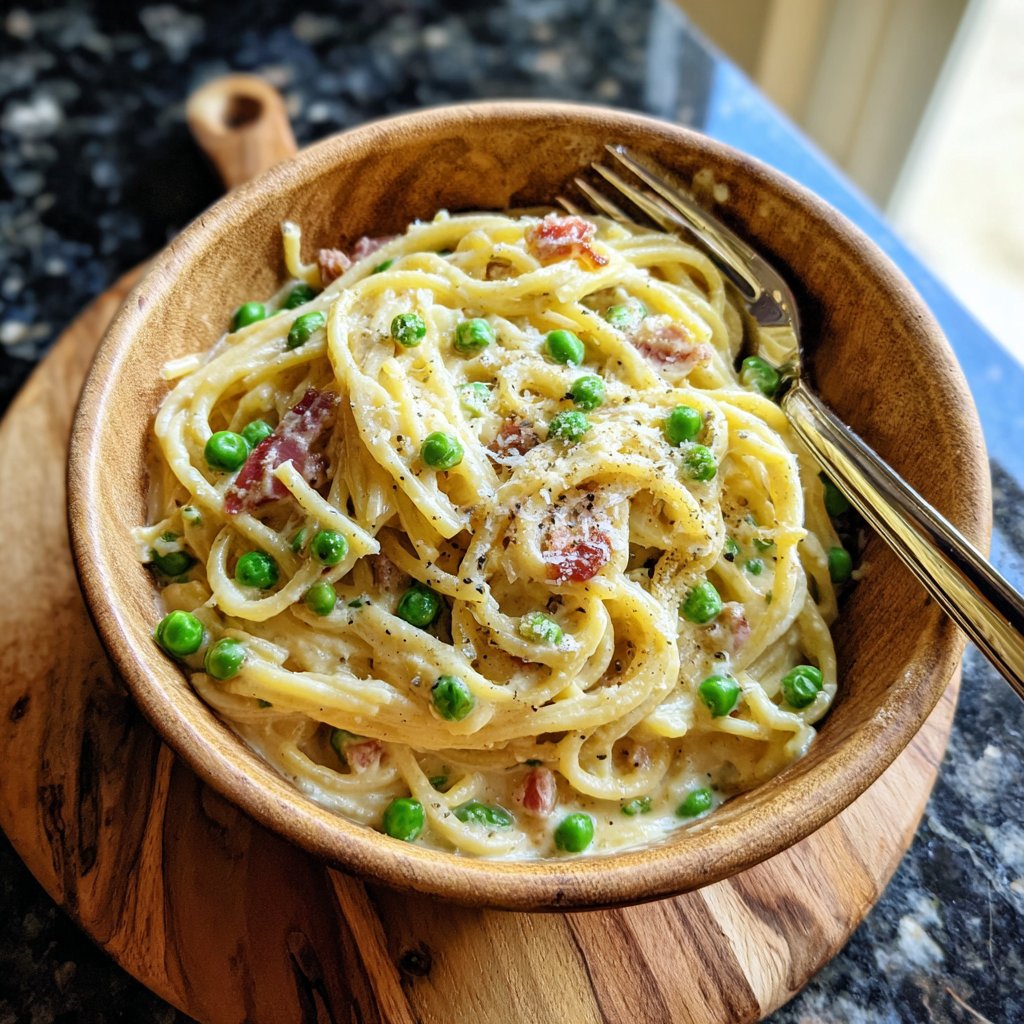
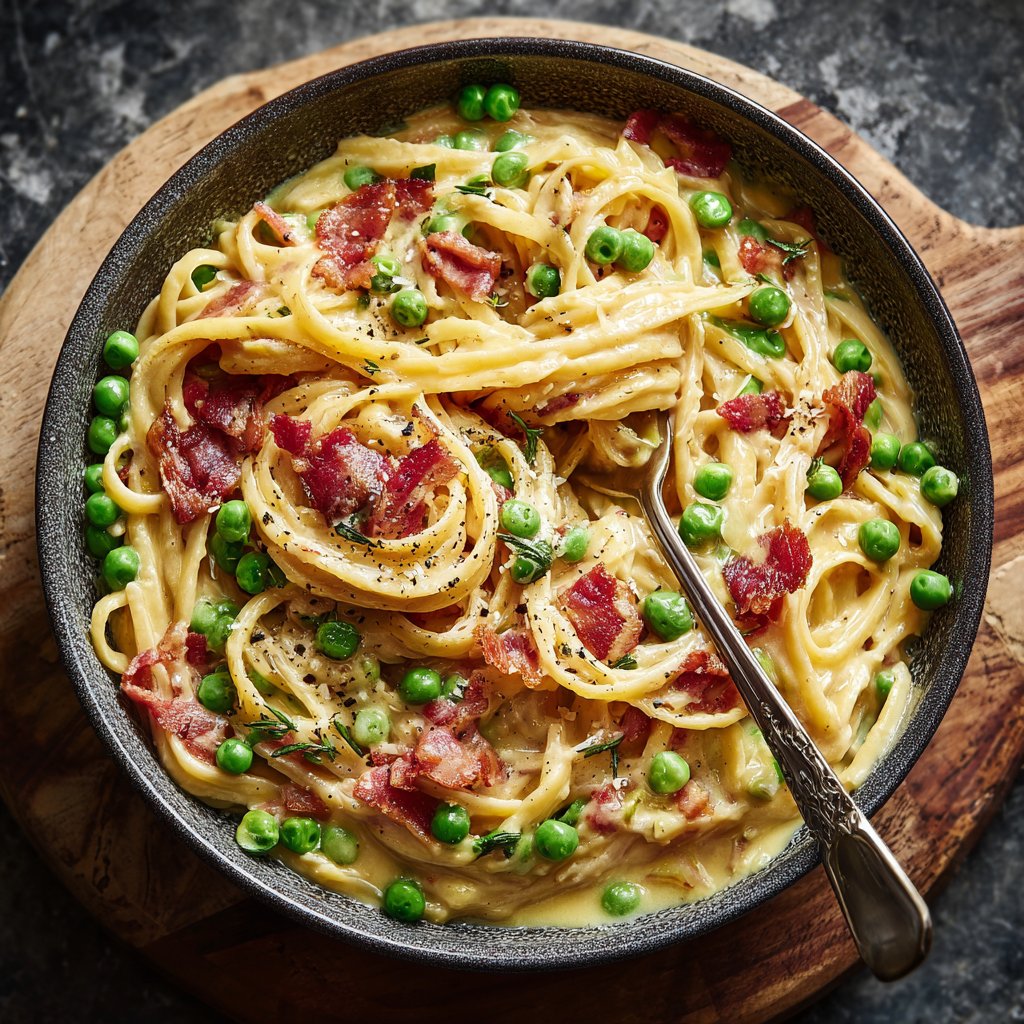
I absolutely love making Pasta Carbonara with Spring Peas whenever I'm in the mood for a comforting meal. The combination of creamy sauce, crispy pancetta, and tender spring peas elevates this classic dish to new heights. I’ve experimented with this recipe multiple times, adjusting the flavors each time, and I can confidently say that incorporating fresh peas not only adds a pop of color but also a subtle sweetness that perfectly balances the savory notes. It’s a delightful dish that comes together in just 30 minutes!
Cooking Pasta Carbonara with Spring Peas has become a cherished tradition in my kitchen. I find joy in watching how the peas burst with flavor as they mingle with the creamy sauce. One memorable instance was when my friends visited, and they found themselves going back for seconds. The secret is to use good quality ingredients; it makes all the difference in every bite.
I’ve learned that timing is crucial in this recipe. Incorporating the peas at the right moment allows them to retain their vibrant color and crisp texture. This way, we get a wonderfully balanced dish that’s rich yet fresh, making it ideal for any occasion!
Why You'll Love This Recipe
- Creamy and dreamy sauce that clings perfectly to every strand of pasta
- The sweet crunch of fresh spring peas adds a delightful twist
- Quick enough for a weeknight dinner but impressive enough for guests
The Role of Fresh Peas
Using fresh spring peas in this Pasta Carbonara not only enhances the dish's aesthetic appeal with their vibrant green color but also introduces a nuanced sweetness that harmonizes beautifully with the rich, savory elements of the pancetta and cheese. When selecting peas, look for bright green pods that are firm to the touch; this indicates their freshness. If fresh peas are unavailable, you can substitute with frozen peas, which can be added directly to the pasta during the last minute of cooking.
To incorporate the peas effectively, add them during the final cooking stage when you combine the hot pasta and pancetta. This brief cooking time not only helps retain their bright color and fresh flavor but also warms them through without losing their crunch. Avoid overcooking, as this can turn them mushy and diminish their delightful texture, which adds complexity to each bite.
Achieving the Perfect Sauce
The creamy sauce in Carbonara comes from emulsifying the egg and cheese mixture with the heat of the pasta; timing is crucial here! Once you add the pasta to the pan with the pancetta, turn off the heat before mixing in the egg and cheese. This will prevent the eggs from scrambling and ensures that you achieve a silky, glossy sauce that clings to each strand of pasta. If your sauce feels too thick, the reserved pasta water is your best friend—add it gradually until you reach your desired consistency.
For best results, use a high-quality Pecorino Romano cheese, which contributes saltiness and depth to the dish. If you're in a pinch, you could substitute half with Parmigiano-Reggiano for a milder flavor, but I find that the sharpness of Pecorino is what elevates this dish. Also, make sure to let the heat from the pasta do most of the work to create a velvety sauce; this way, the flavors meld without the risk of curdling.
Serving and Storage Tips
Pasta Carbonara is best served immediately, as the creamy texture tends to set and lose its luscious quality when left to cool. If you're preparing this dish for guests, consider having all your ingredients prepped and ready to go so you can whip it up in just a few minutes before serving. A light sprinkle of extra Pecorino Romano on top right before serving not only enhances presentation but also gives an additional burst of flavor.
If you have leftovers, store them in an airtight container in the refrigerator. However, keep in mind that reheating Carbonara can be tricky due to the sauce. To avoid a dry texture, gently reheat in a saucepan over low heat, adding a splash of cream or reserved pasta water to help reconstitute the sauce. This way, you can enjoy the delightful flavors of your creation even the next day without compromising on quality.
Ingredients
Gather these ingredients before you start cooking:
For the Pasta Carbonara
- 12 oz spaghetti or fettuccine
- 4 oz pancetta or guanciale, diced
- 1 cup fresh spring peas
- 3 large eggs
- 1 cup grated Pecorino Romano cheese
- 2 cloves garlic, minced
- Salt and freshly ground black pepper to taste
- Fresh parsley, chopped (for garnish)
These ingredients will create a delightful meal everyone will enjoy!
Instructions
Follow these steps to make your Pasta Carbonara with Spring Peas:
Cook the Pasta
Bring a large pot of salted water to a boil and cook the pasta according to package instructions until al dente. Reserve about 1 cup of pasta water, then drain the pasta.
Prepare the Pancetta
In a large skillet over medium heat, add the diced pancetta or guanciale. Cook until crispy, about 5-7 minutes. Add the minced garlic and cook for another minute until fragrant.
Mix the Egg and Cheese
In a bowl, whisk together the eggs and grated Pecorino Romano cheese until well combined. Set aside.
Combine Everything
Add the hot pasta to the skillet with the pancetta, turning off the heat. Quickly pour the egg and cheese mixture over the pasta, stirring vigorously to create a creamy sauce. If the mixture is too thick, add reserved pasta water a little at a time until desired consistency is reached.
Add Peas and Serve
Gently fold in the spring peas. Season with salt and black pepper to taste. Serve immediately, garnished with chopped parsley.
Enjoy your homemade Pasta Carbonara with Spring Peas!
Pro Tips
- For an extra layer of flavor, try adding a pinch of red pepper flakes to the pancetta while cooking. This will give your dish a subtle kick that complements the richness of the sauce beautifully.
Ingredient Substitutions
If you’re looking for a healthier or dietary-friendly variant, consider using turkey bacon or vegetarian bacon as a substitute for pancetta. This swap will reduce the fat content while still providing a smoky flavor. Just ensure that they're cooked until crispy, similar to traditional pancetta, to maintain the dish's overall texture quality.
For those avoiding eggs, you can replicate the creaminess of the Carbonara sauce by using blended silken tofu mixed with a bit of nutritional yeast and lemon juice. This will yield a similar consistency and a hint of savory flavor without the eggs. The key is to blend until completely smooth, which mimics the creamy texture of the traditional sauce perfectly.
Variations to Explore
Feel free to experiment with adding different vegetables along with the peas. Asparagus, zucchini, or even sautéed mushrooms can add unique flavors and textures to the dish. Simply blanch the asparagus or sauté the mushrooms until tender before folding them into the pasta with the peas.
If you want to make your Carbonara even more indulgent, consider adding a splash of white wine to deglaze the pan after cooking the pancetta. This will add an extra layer of flavor and acidity that brightens the overall dish. Just let the wine cook down for a couple of minutes to prevent overpowering the other flavors.
Questions About Recipes
→ Can I use frozen peas instead of fresh?
Yes, frozen peas work well. Just make sure to thaw and drain them before adding to the dish.
→ What can I substitute for Pecorino Romano cheese?
Parmesan cheese is a good alternative if you can’t find Pecorino Romano.
→ Is it necessary to use pancetta?
While pancetta is traditional, you can also use bacon or omit it for a vegetarian version.
→ What type of pasta is best for carbonara?
Spaghetti is classic, but fettuccine, linguine, or even rigatoni can be delicious alternatives!
Pasta Carbonara with Spring Peas
Created by: The Chefwoven Team
Recipe Type: Comfort Dinner Recipes
Skill Level: Intermediate
Final Quantity: Serves 4
What You'll Need
For the Pasta Carbonara
- 12 oz spaghetti or fettuccine
- 4 oz pancetta or guanciale, diced
- 1 cup fresh spring peas
- 3 large eggs
- 1 cup grated Pecorino Romano cheese
- 2 cloves garlic, minced
- Salt and freshly ground black pepper to taste
- Fresh parsley, chopped (for garnish)
How-To Steps
Bring a large pot of salted water to a boil and cook the pasta according to package instructions until al dente. Reserve about 1 cup of pasta water, then drain the pasta.
In a large skillet over medium heat, add the diced pancetta or guanciale. Cook until crispy, about 5-7 minutes. Add the minced garlic and cook for another minute until fragrant.
In a bowl, whisk together the eggs and grated Pecorino Romano cheese until well combined. Set aside.
Add the hot pasta to the skillet with the pancetta, turning off the heat. Quickly pour the egg and cheese mixture over the pasta, stirring vigorously to create a creamy sauce. If the mixture is too thick, add reserved pasta water a little at a time until desired consistency is reached.
Gently fold in the spring peas. Season with salt and black pepper to taste. Serve immediately, garnished with chopped parsley.
Extra Tips
- For an extra layer of flavor, try adding a pinch of red pepper flakes to the pancetta while cooking. This will give your dish a subtle kick that complements the richness of the sauce beautifully.
Nutritional Breakdown (Per Serving)
- Calories: 450 kcal
- Total Fat: 24g
- Saturated Fat: 10g
- Cholesterol: 185mg
- Sodium: 920mg
- Total Carbohydrates: 40g
- Dietary Fiber: 3g
- Sugars: 2g
- Protein: 18g